École Lesage, Paris, and the Tailoring Academy, Macclesfield
Couture embroidery, École Lesage
2016–2018
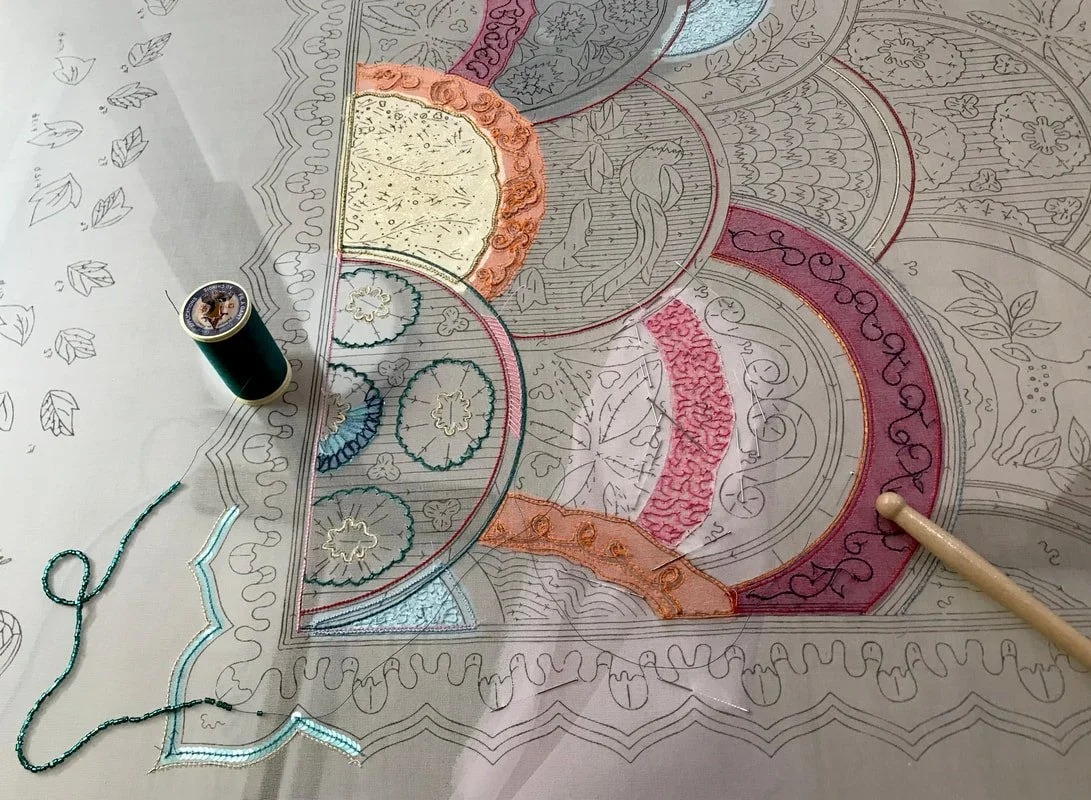
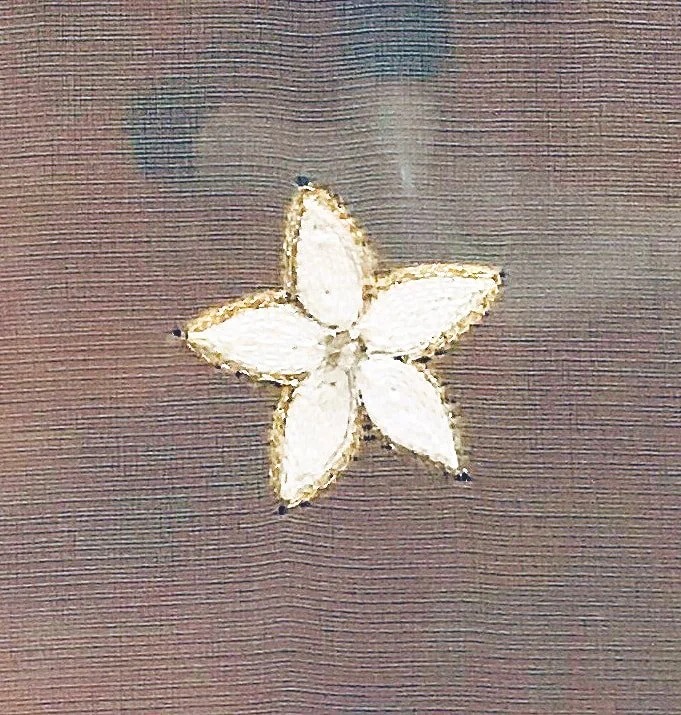
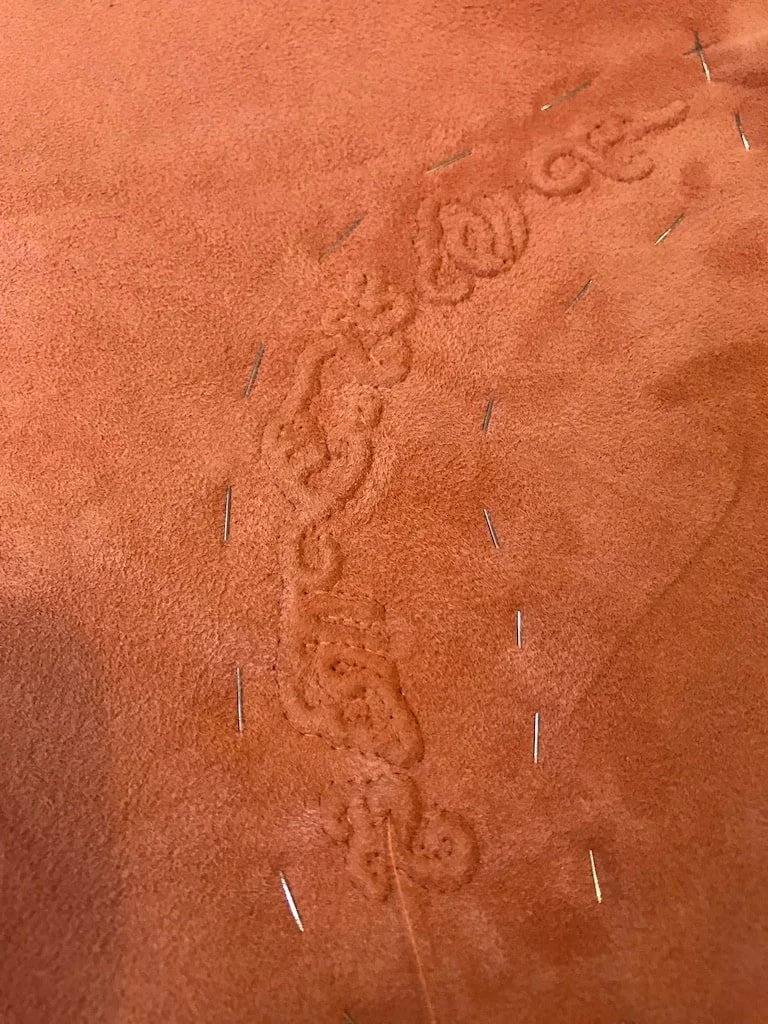
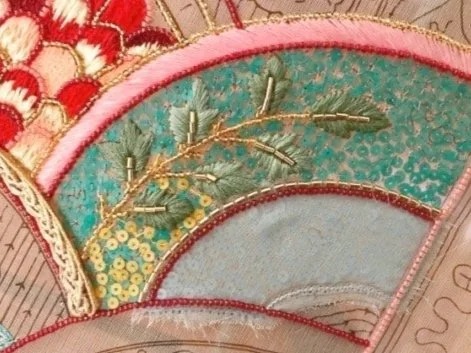
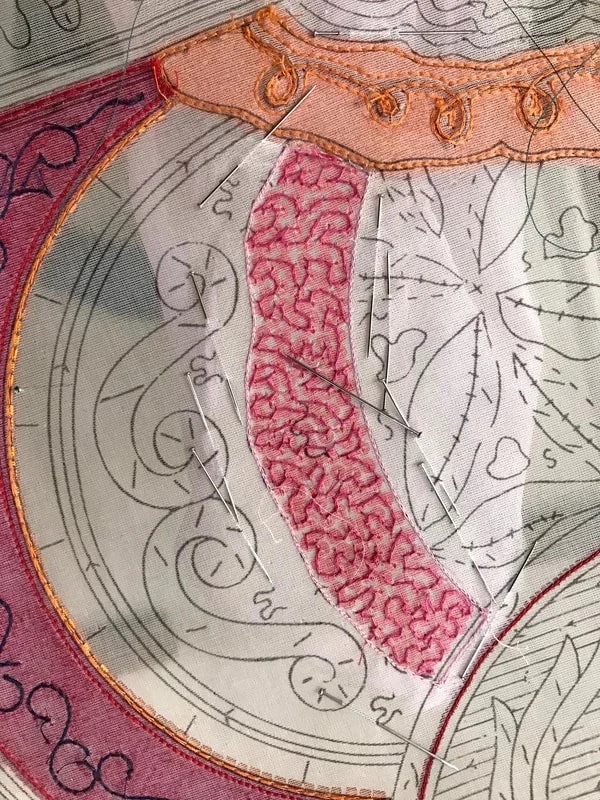
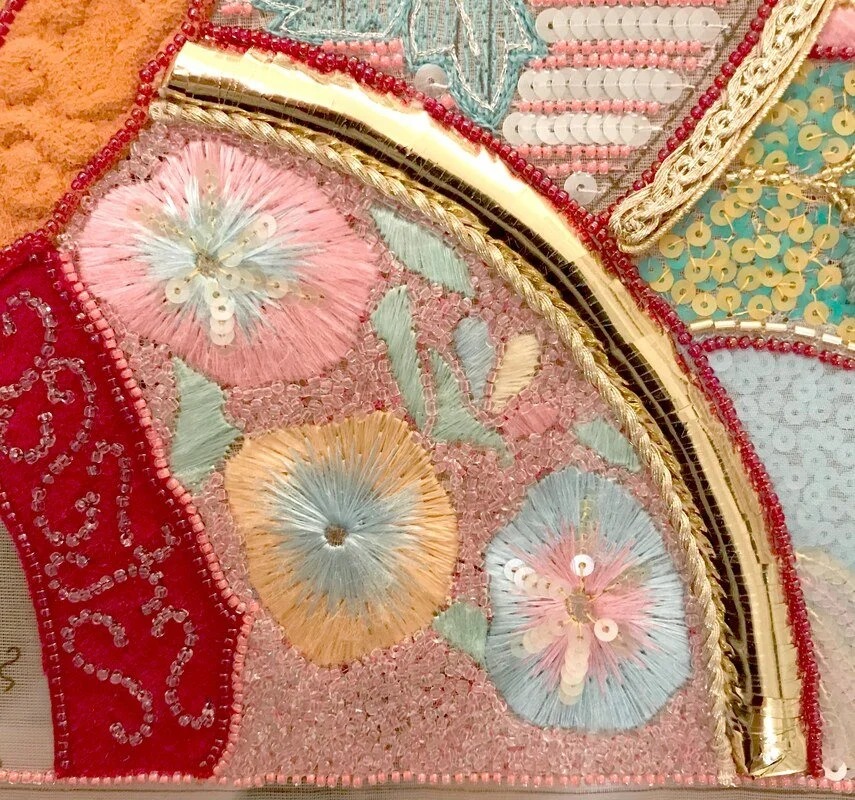
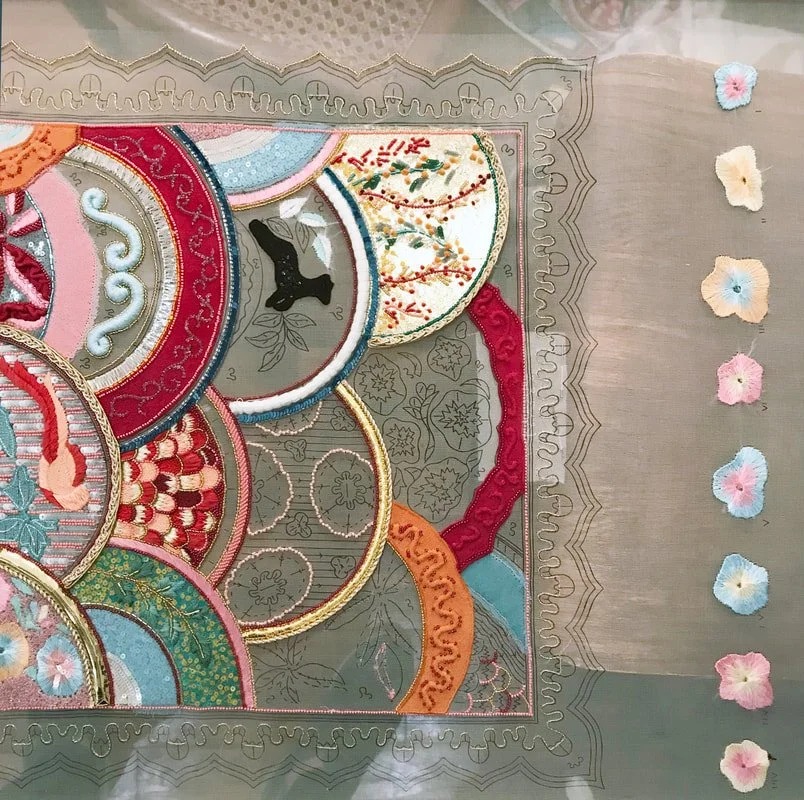
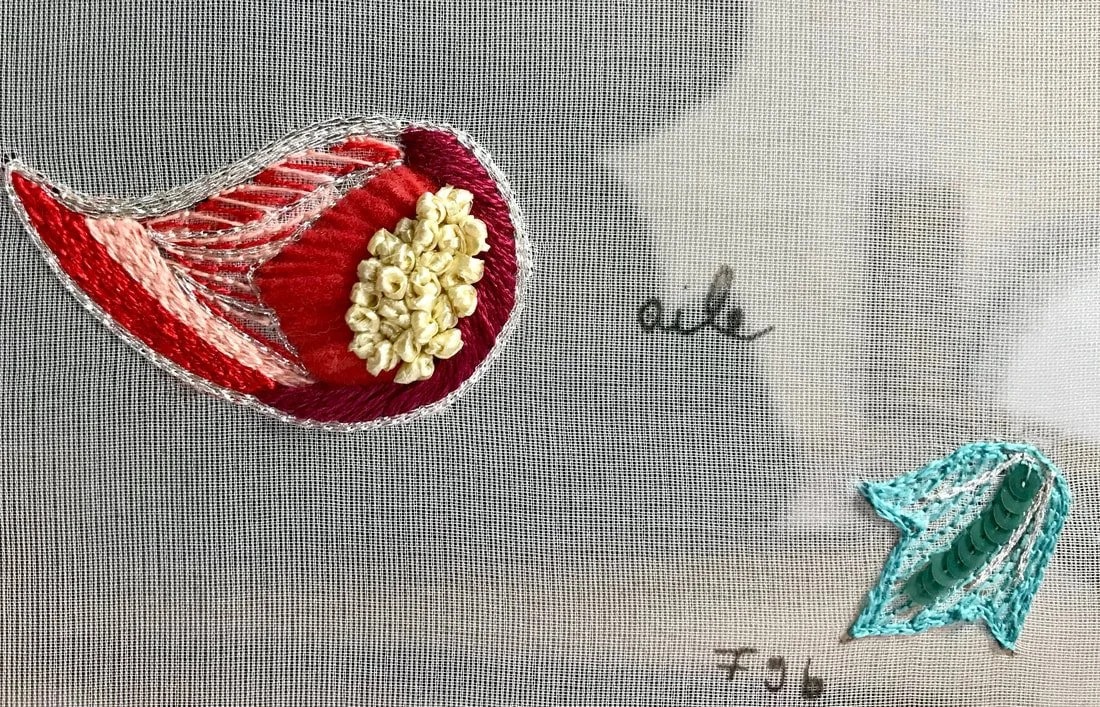
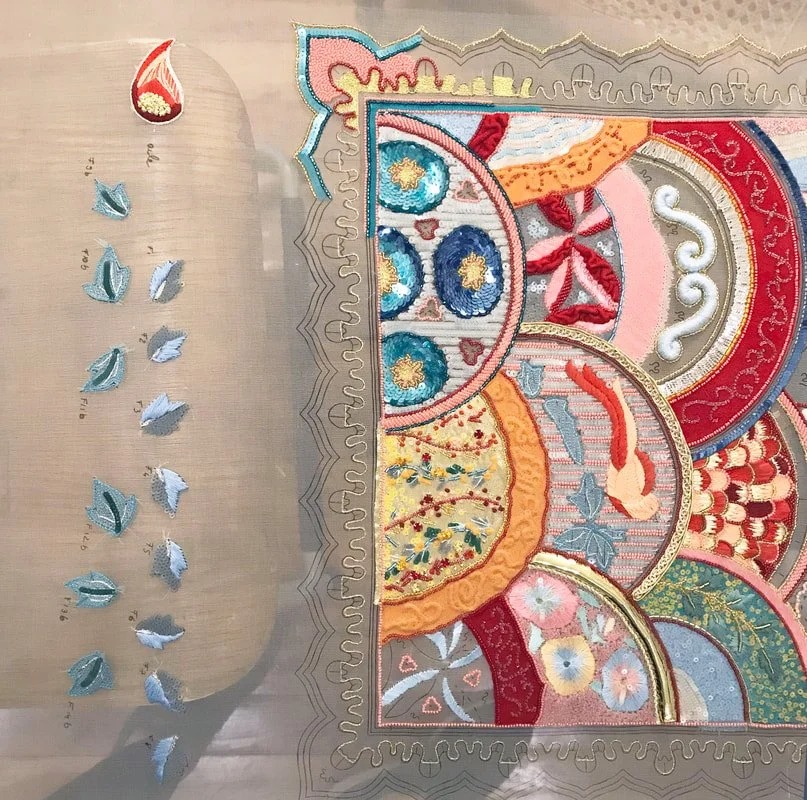
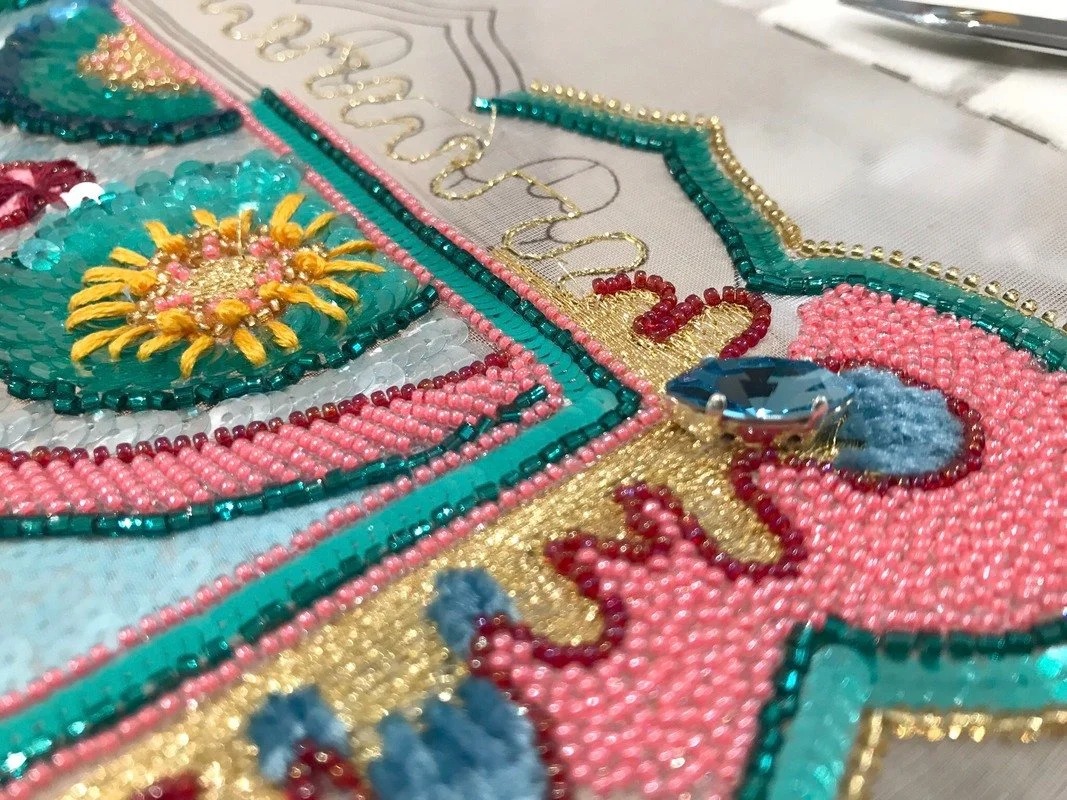
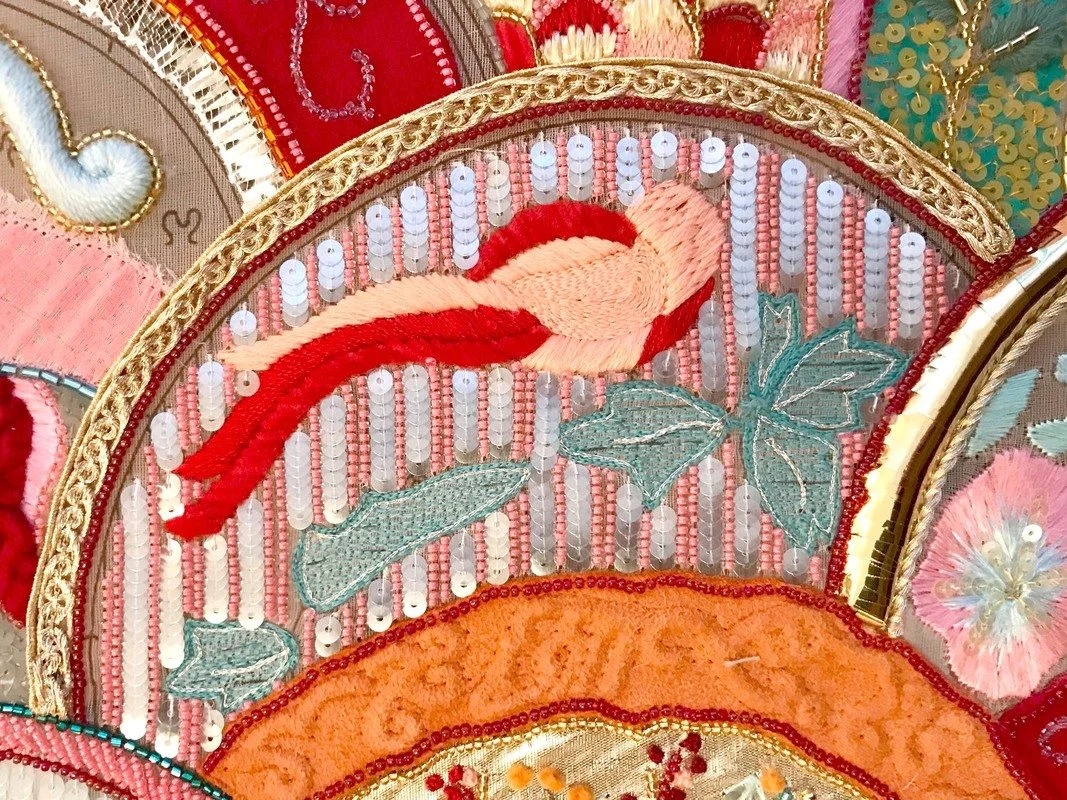
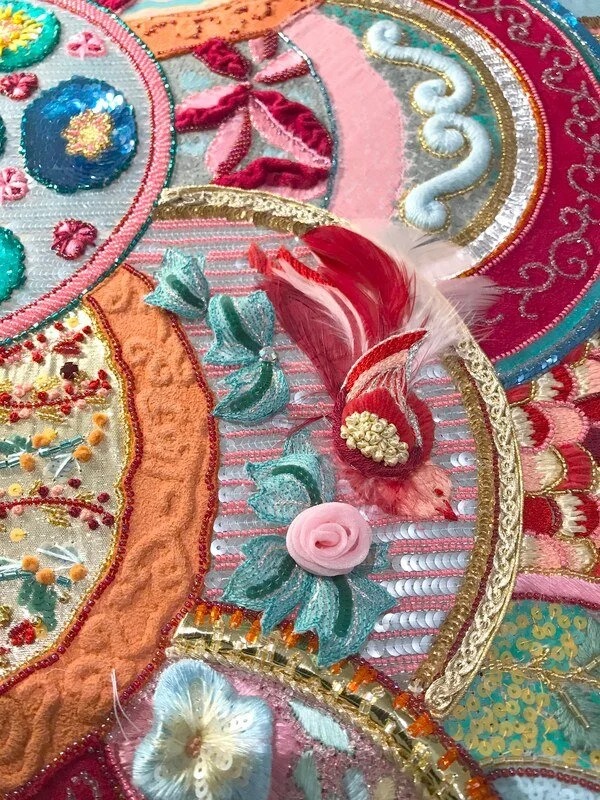
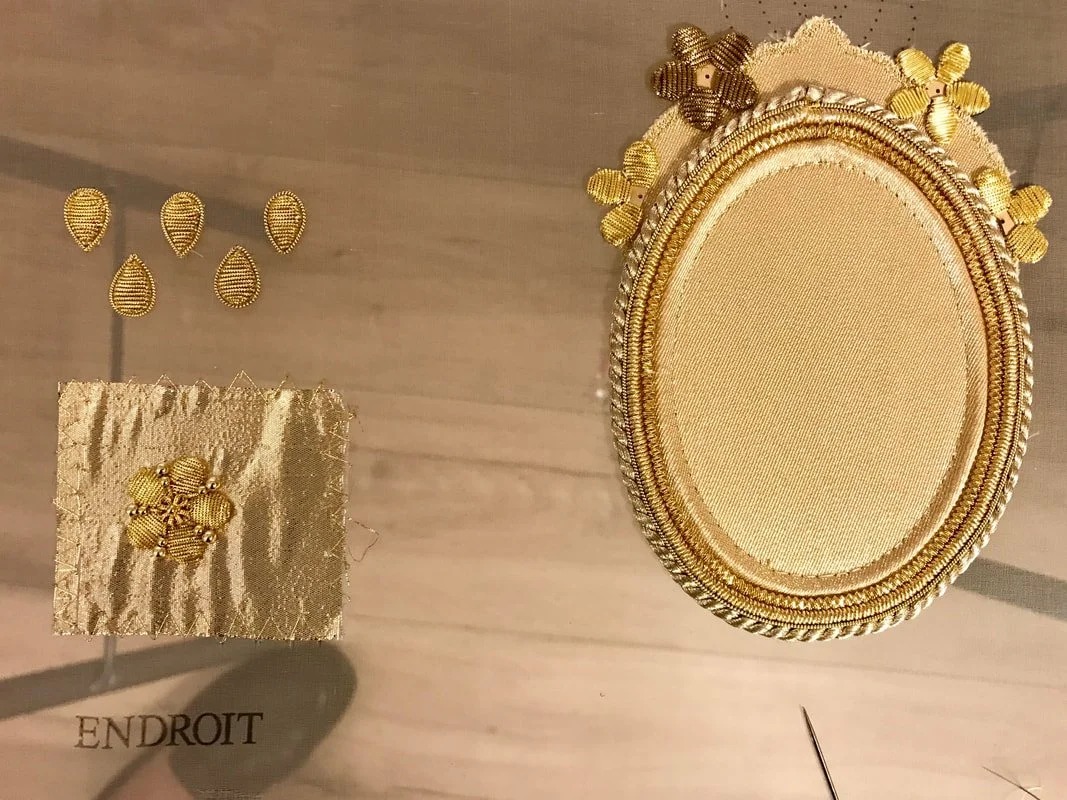
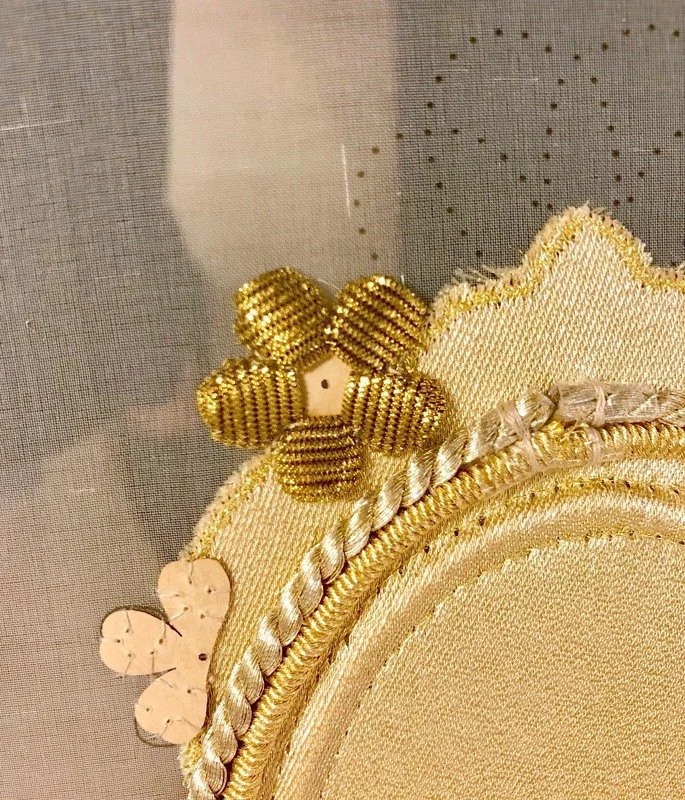
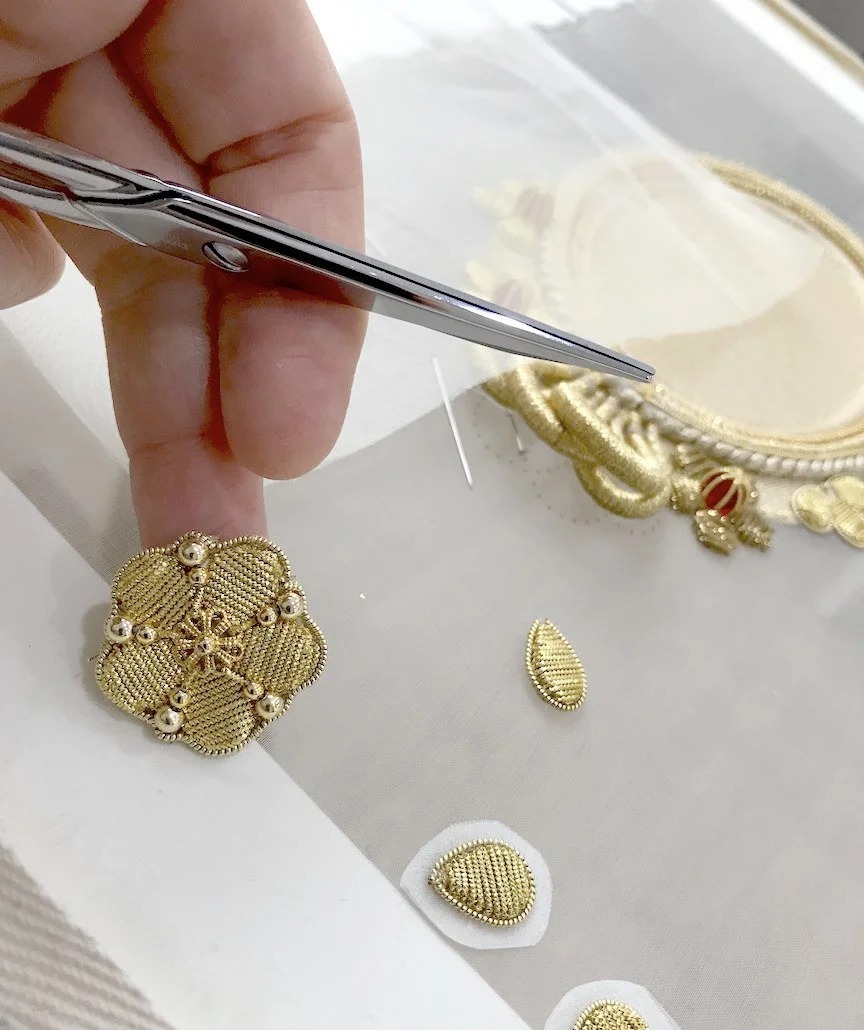
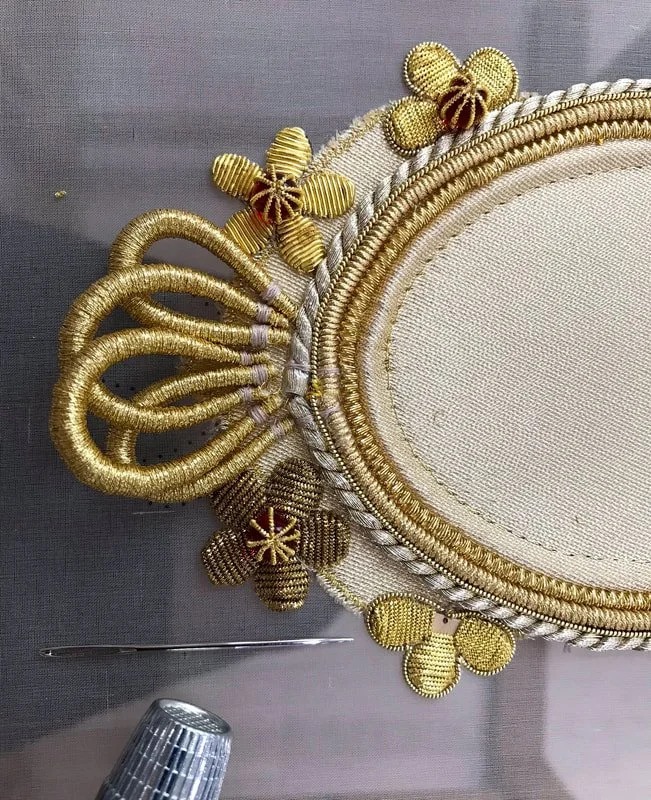
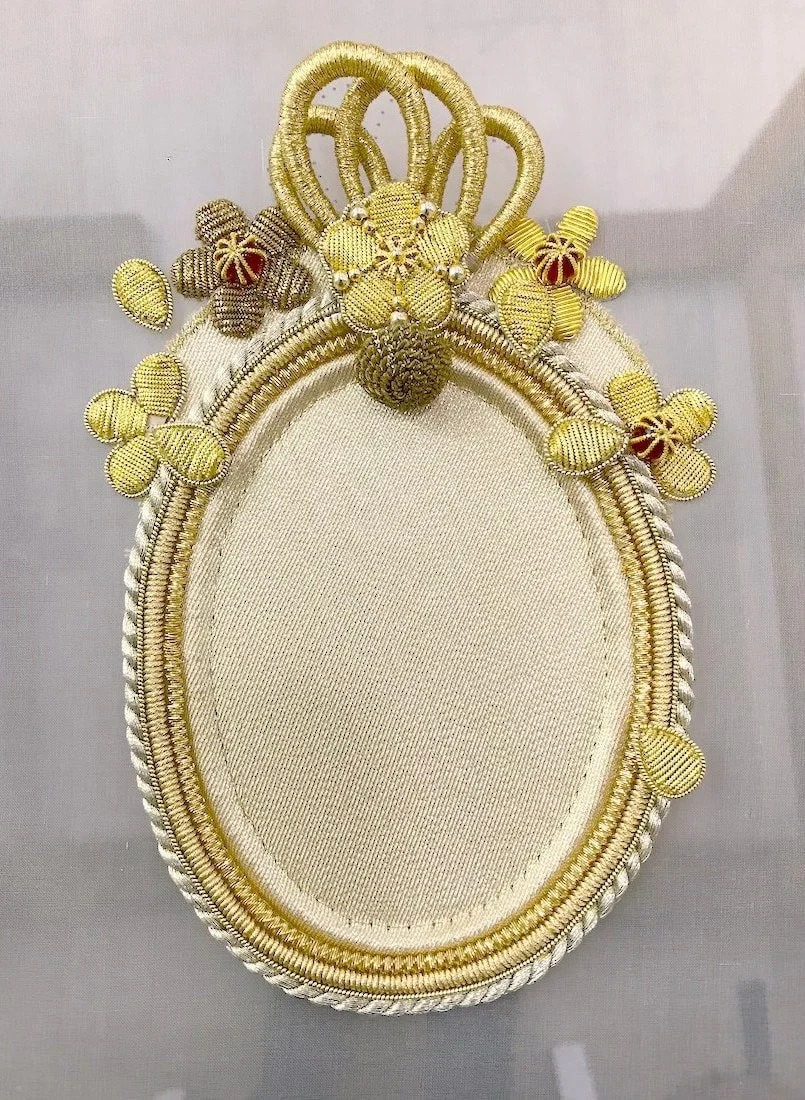
I studied at the École Lesage, Paris, in three stays: Introduction to the Lunéville Hook and Traditional Stitches in the summer of 2016; the professional certification in couture embroidery from September to December 2017, generously funded by a grant from the Alberta Foundation for the Arts; and the goldwork study in the spring of 2018.
Sampler in progress on the frame, École Lesage, Paris
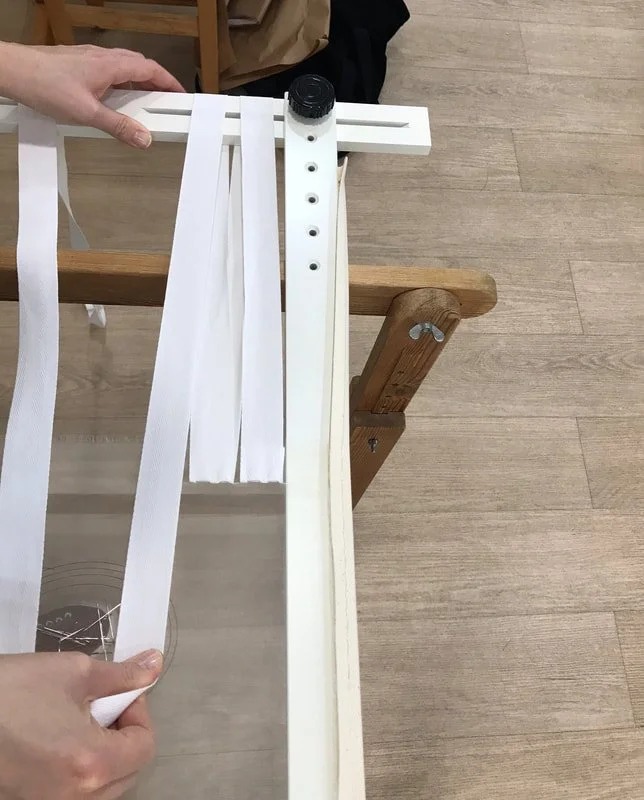
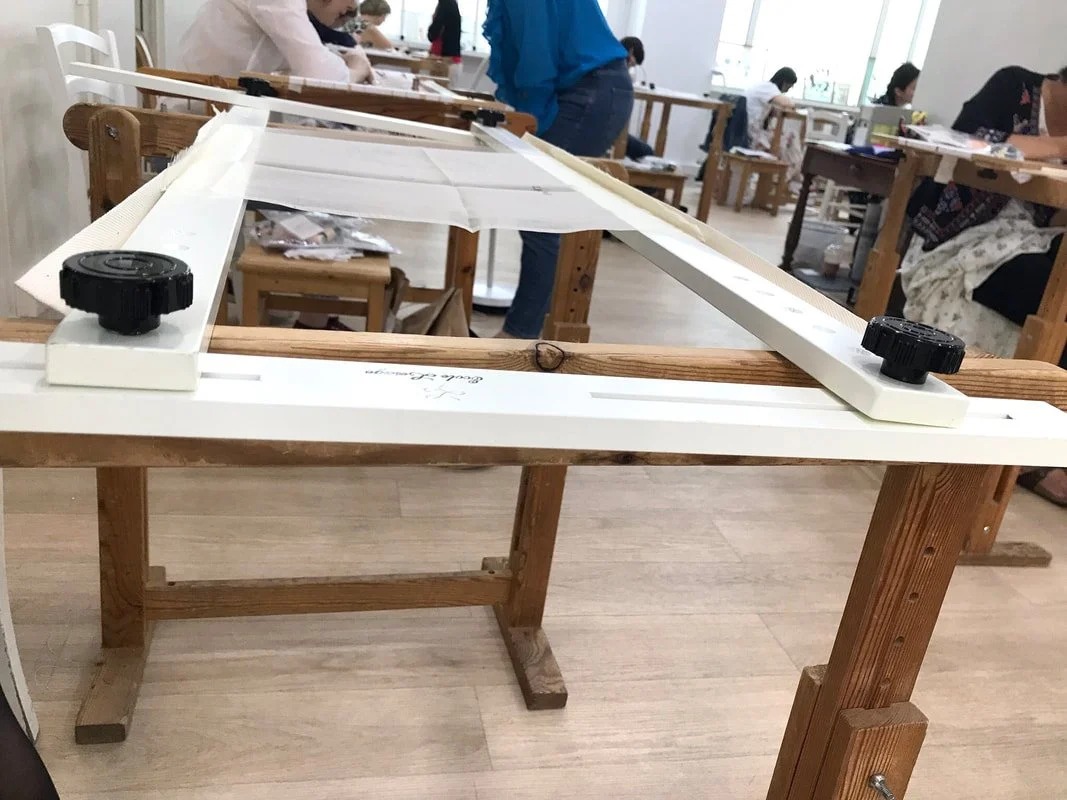
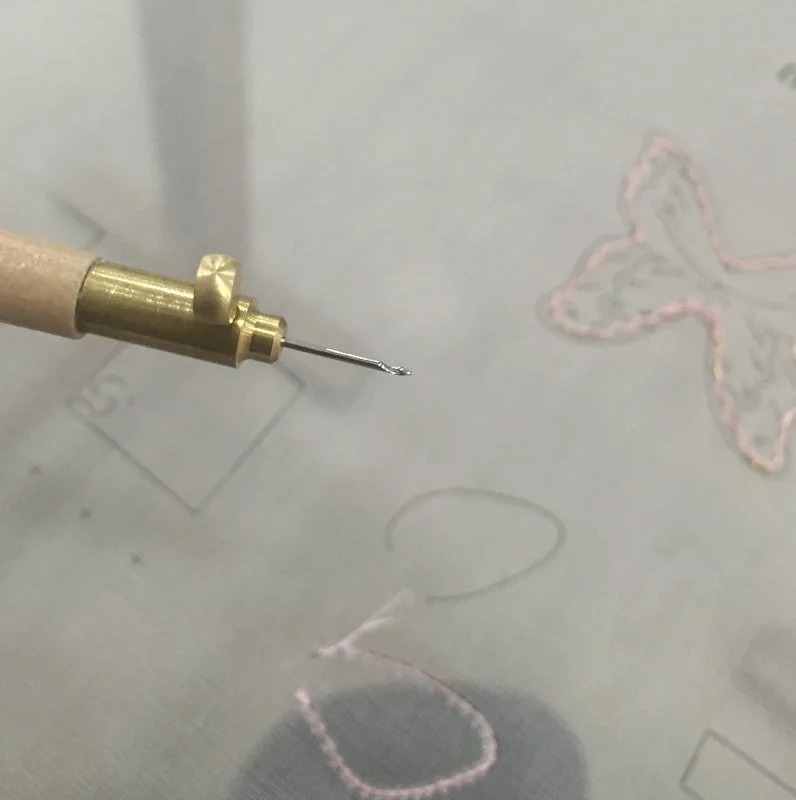
Dressing the frame; the atelier; the crochet de Lunéville
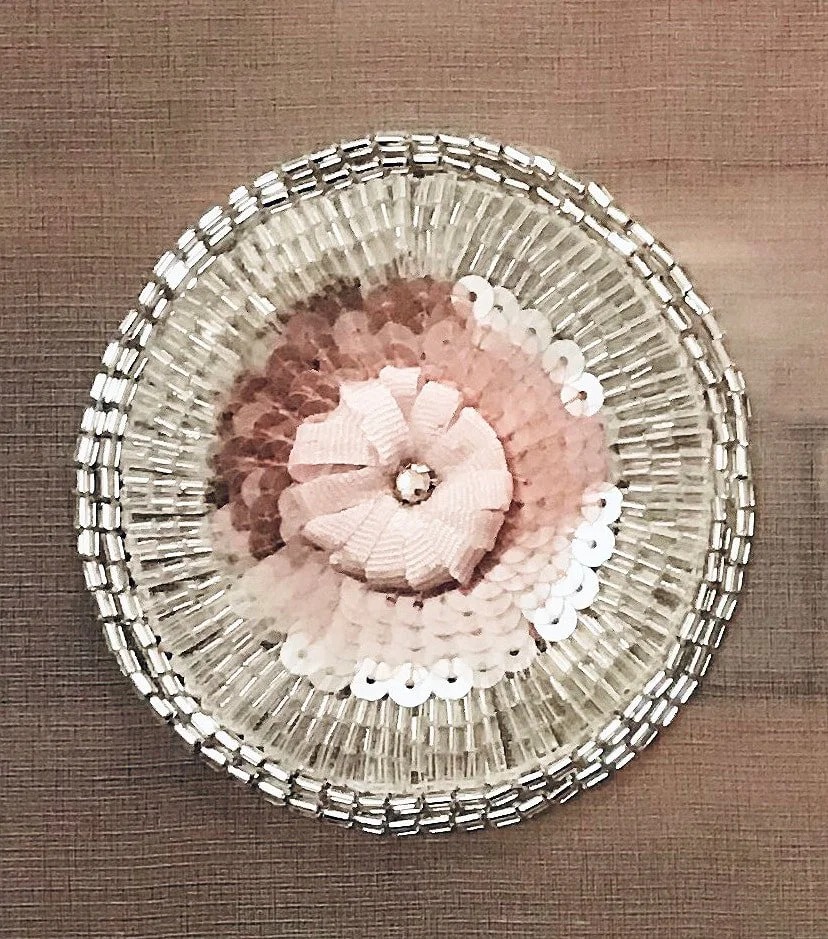
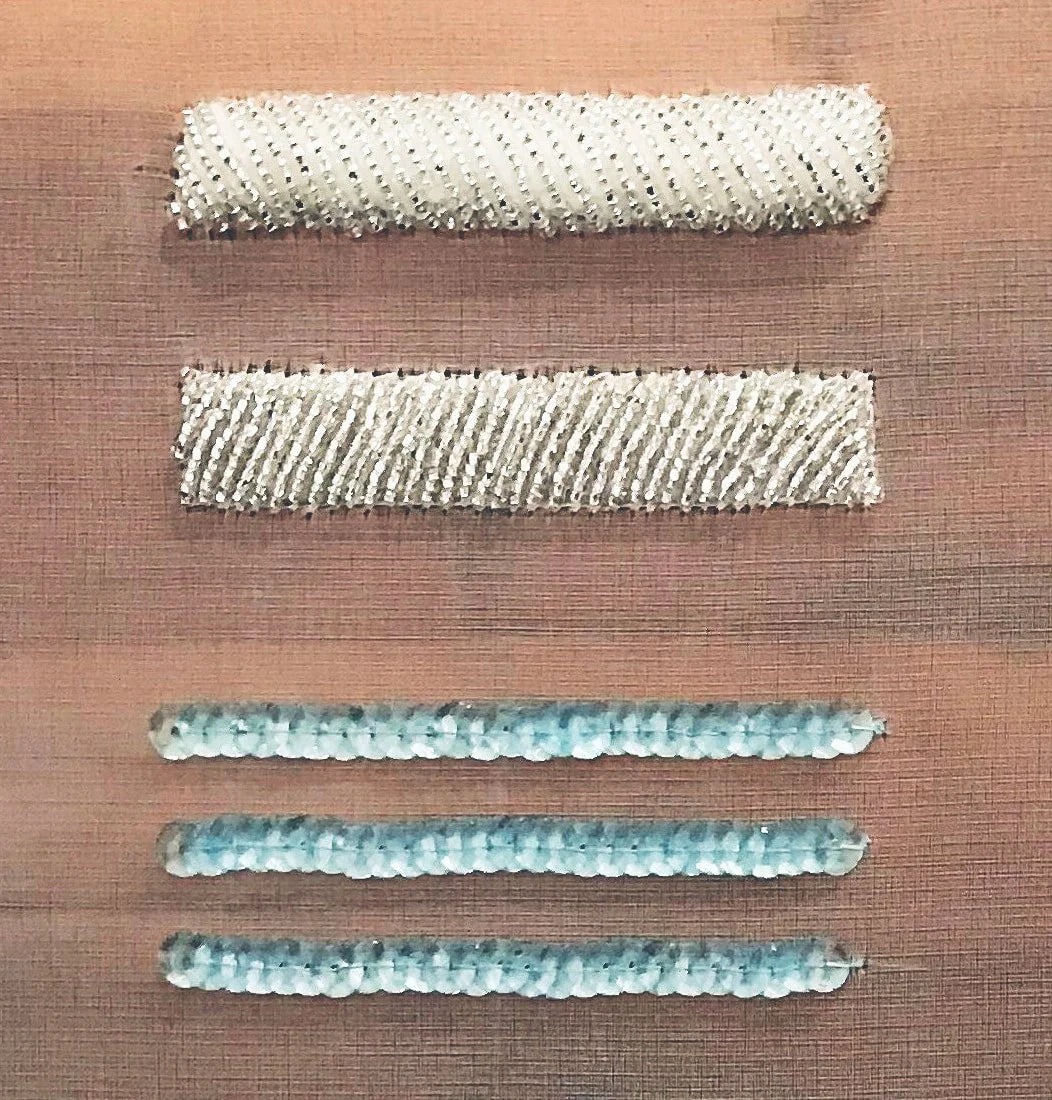
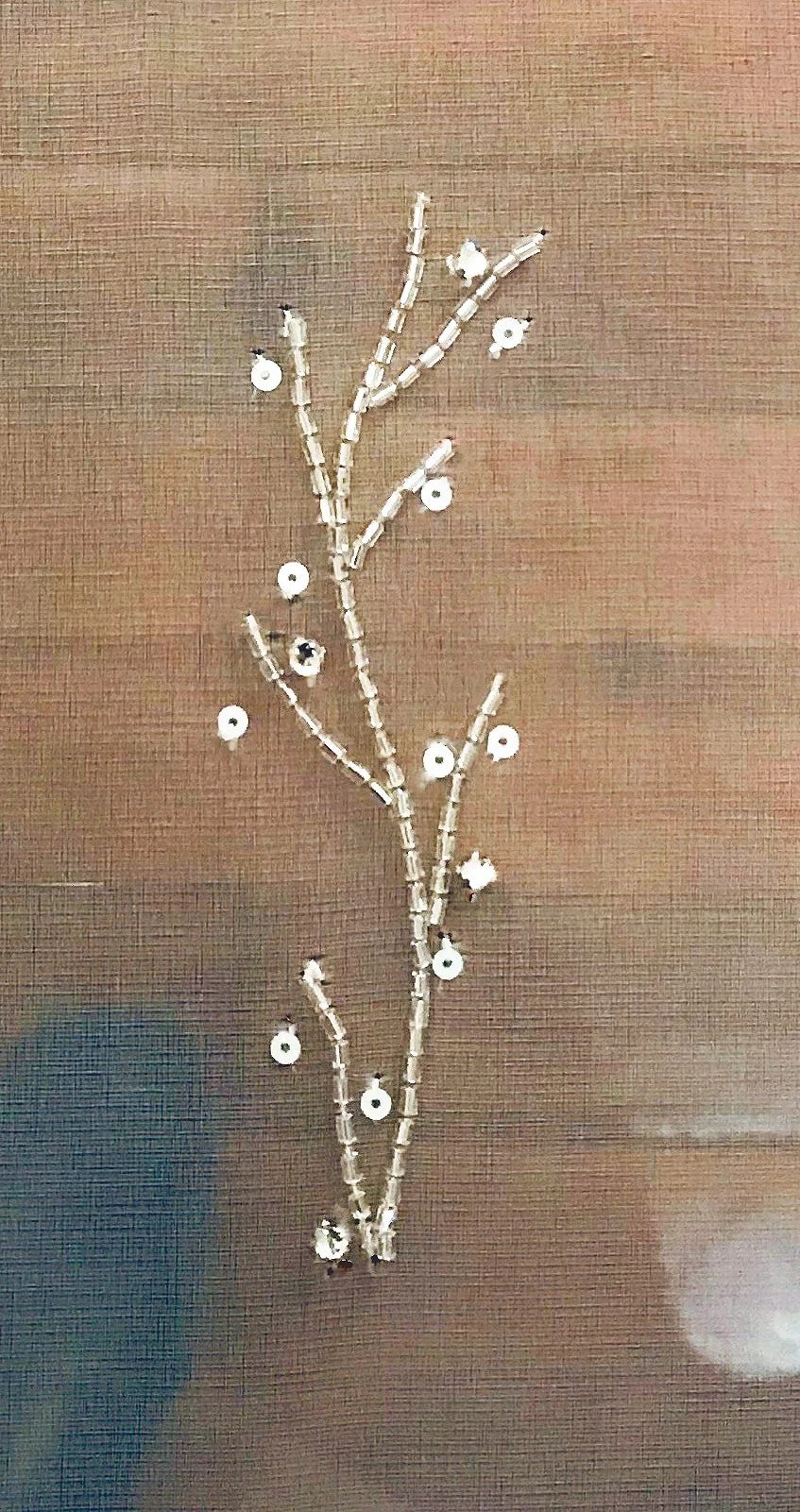
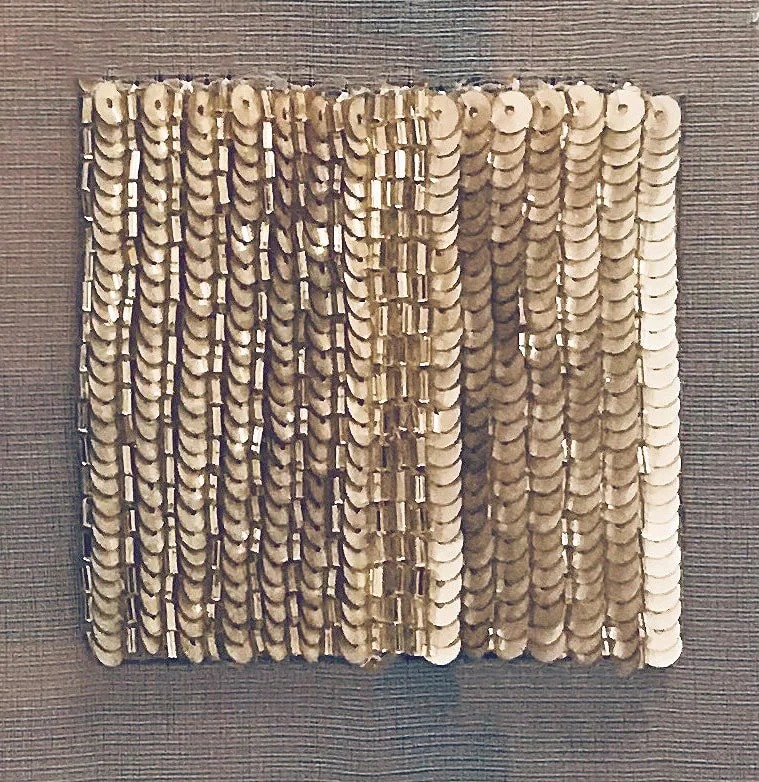
Technique samplers: beads, sequins, paillettes, satin stitch and appliqué
The Lesage sampler: Lunéville and needle techniques in progress, and details
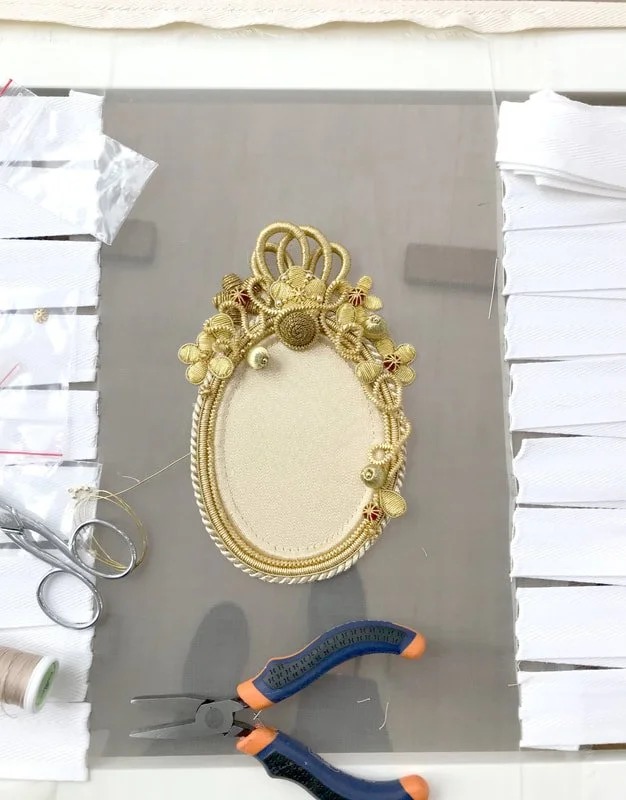
Goldwork: couched cord, purl and cannetille on an oval frame
Woman’s Bespoke Jacket
September 2023 – February 2024
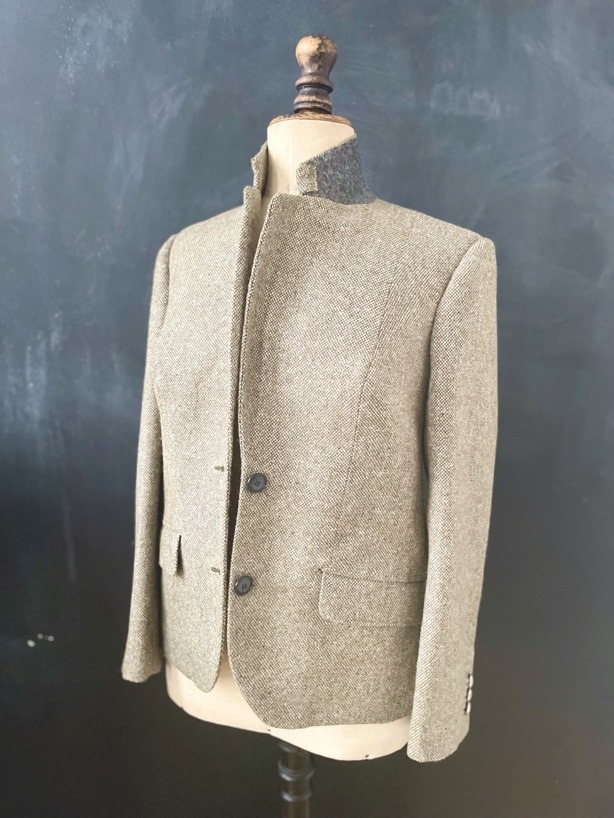
After completing my MFA in Textiles at RISD, I studied at the Tailoring Academy in Macclesfield from September 2023 to February 2024. Working from individual measurements, I drafted, cut, fitted, and constructed a women's bespoke jacket under instruction. The program covered the combined roles of cutter and tailor, including cloth planning, internal canvas and support, baste and forward fittings, collar and sleeve setting, lining, hand-finishing, quality control, and production documentation.
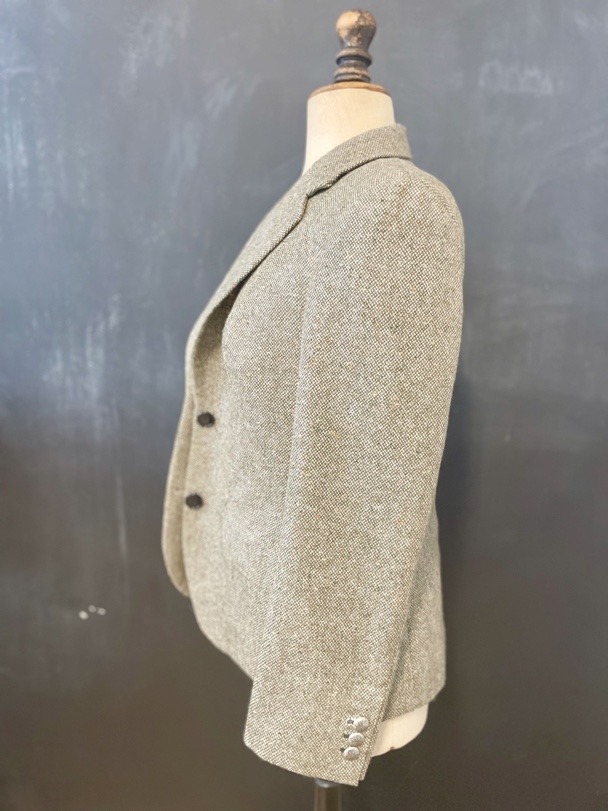
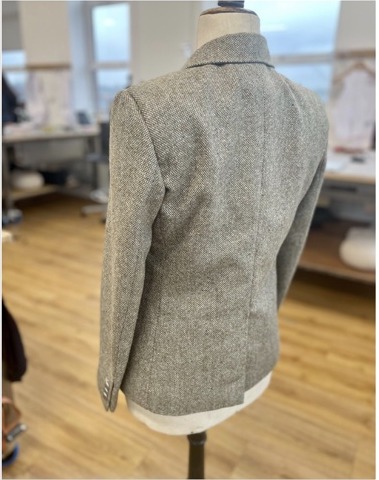
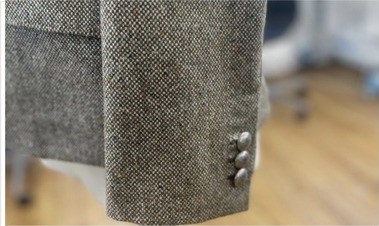
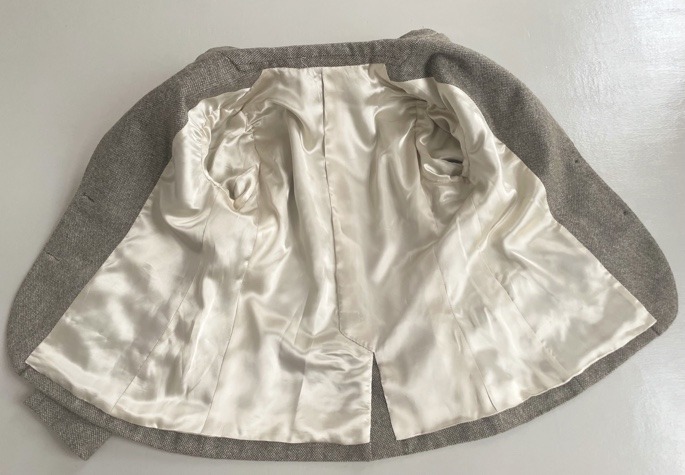
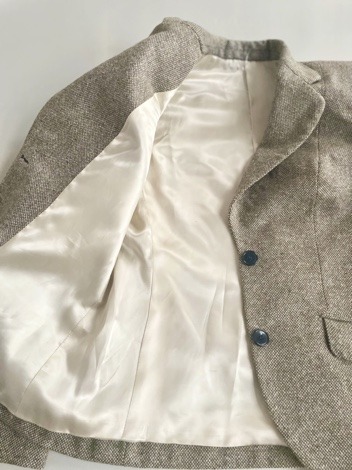
The Tailoring Academy, Macclesfield, UK, tutor Quentin Felix, September 2023 – February 2024Finished back balance, shoulder line, sleeve setting, and centre-back vent; sleeve and cuff detail
From draft to first form
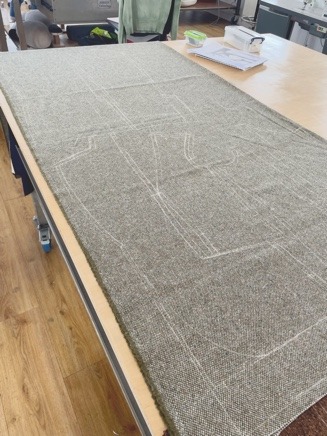
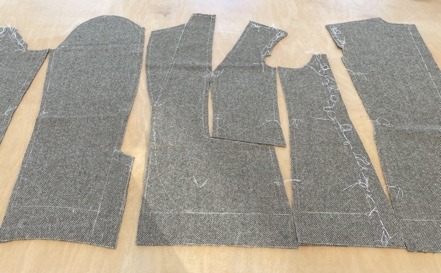
The jacket was developed from an individual cutting pattern based on body measurements and figure analysis. The cloth layout was planned to use the tweed efficiently while maintaining grain, balance, and matching across the garment. After the component pieces were cut and marked, the fronts, back, canvas, pockets, and supporting layers were assembled in preparation for the first baste fitting.
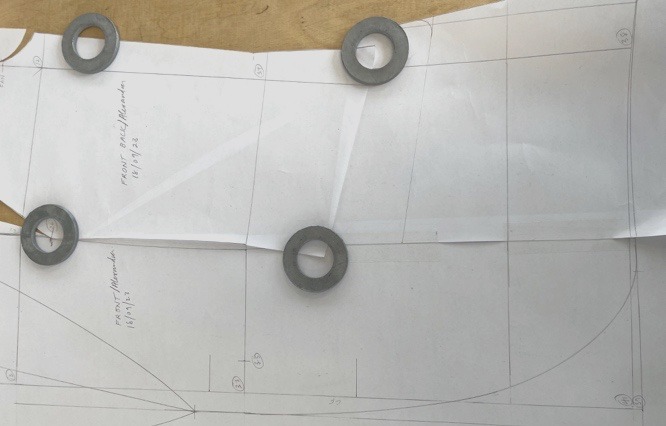
A. Drafting, layout, and cuttingIndividual pattern drafting: full-scale front and back pattern construction based on personal measurements. Cloth planning and marking: pattern components laid and chalked directly onto wool cloth. Cut garment components: fronts, side bodies, back, sleeves, and supporting sections prepared for assembly
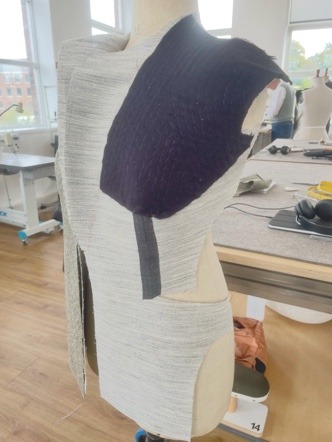
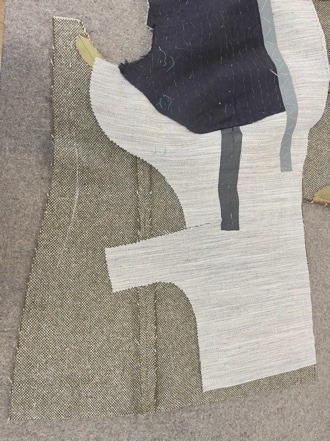
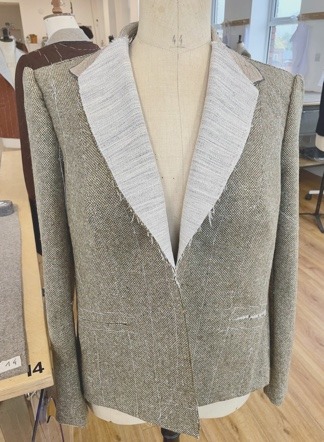
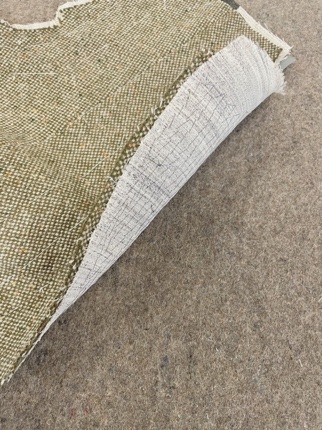
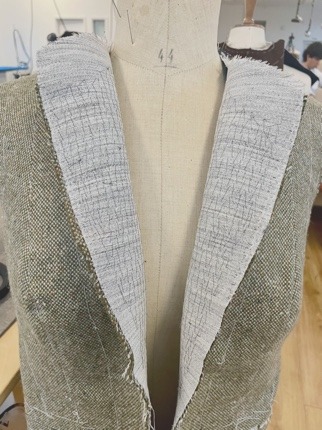
B. Internal structure and first assemblyCutting, shaping and pad-stitching the chest canvas; first assembled form, basted body on the stand, with pocket placement and balance lines retained for fitting
After the baste fitting: alterations and pockets
Amendments from the fitting were marked, the body opened and adjusted, and the pattern corrected before the committed handwork began.
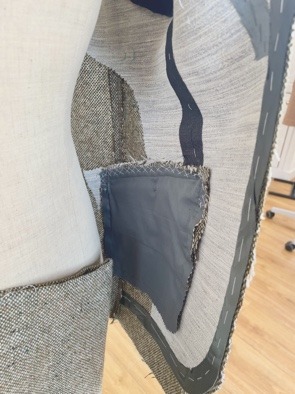
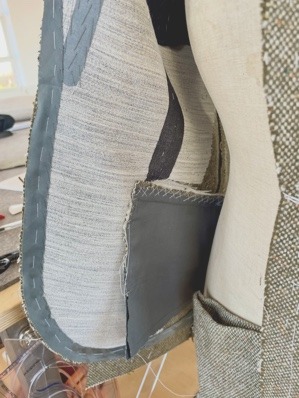
C. Inserting the pockets; setting the armscye and sleevePocketing set through the fronts; canvas and stay tape supporting the front edge
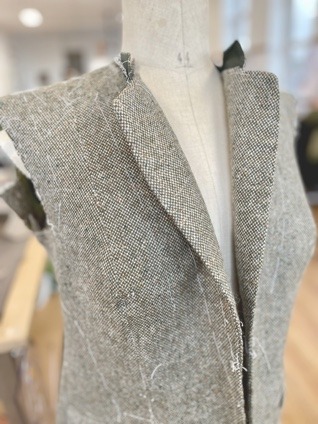
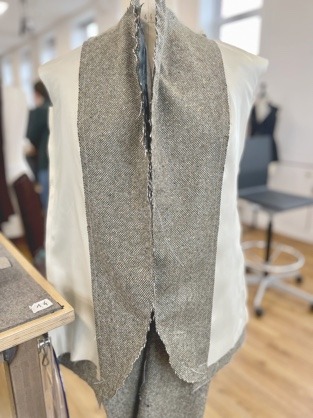
D. Shaping the fronts: pad-stitching the lapels and setting the collarPad-stitching the lapel to build the roll; roll line taped, lapels rolled and pressed; fronts ready for facing
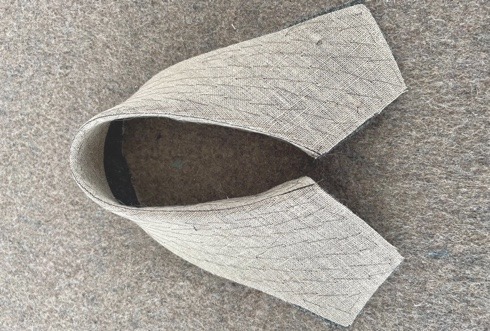
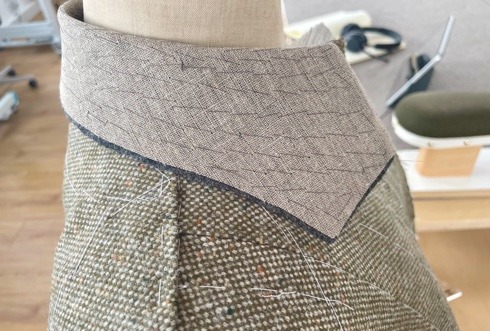
E. Setting the collarUndercollar pad-stitched and shaped before setting; setting the undercollar to the neckline
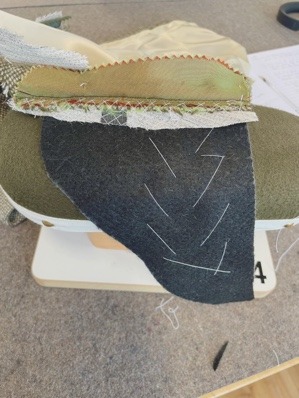
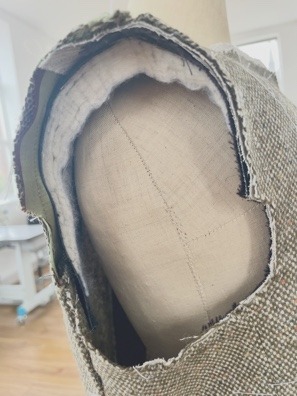
F. Setting the sleeves, forward fitting, and liningSleeve head wadding and shoulder support; armscye prepared for setting the sleeve; body lining basted in
Lining felled by handCompleted jacket after final press